...stone by stone we build this history of more than 2000 years
Scroll Down
Chronology
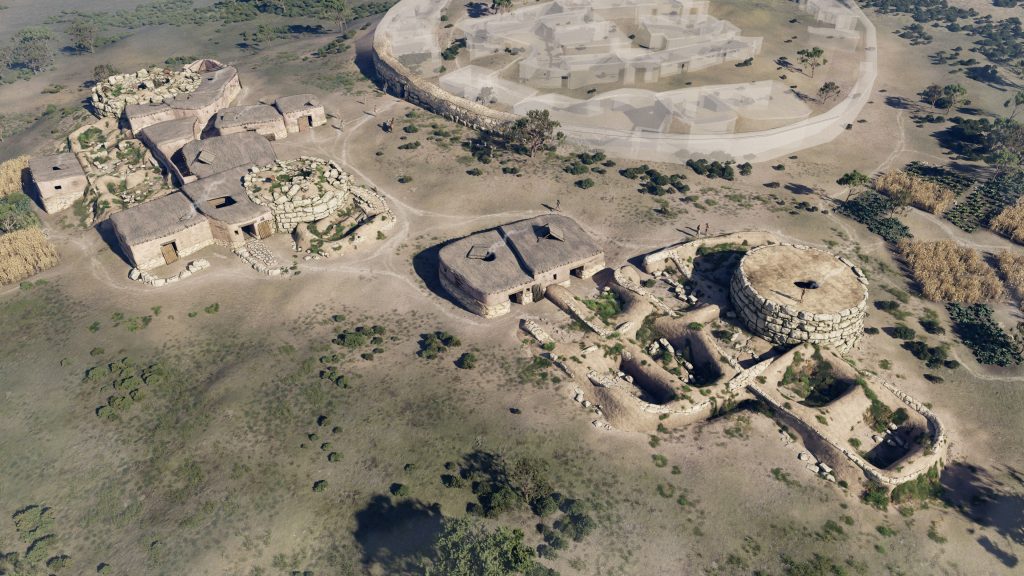
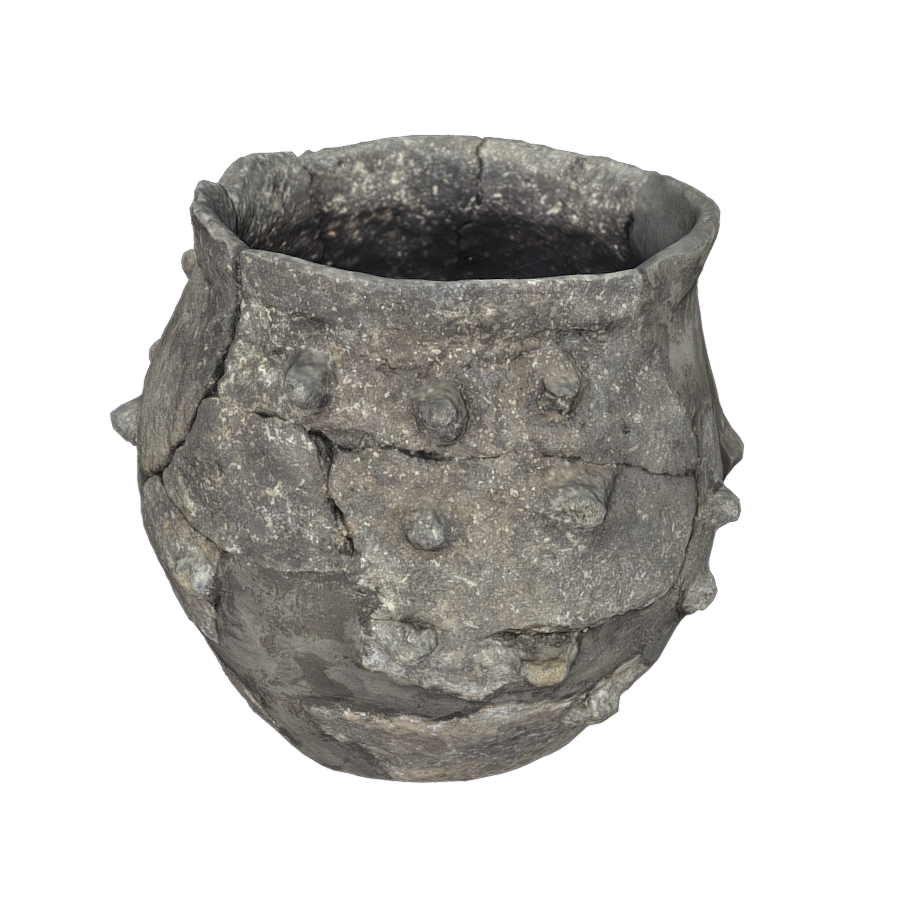
10th - 6th B.C.E.
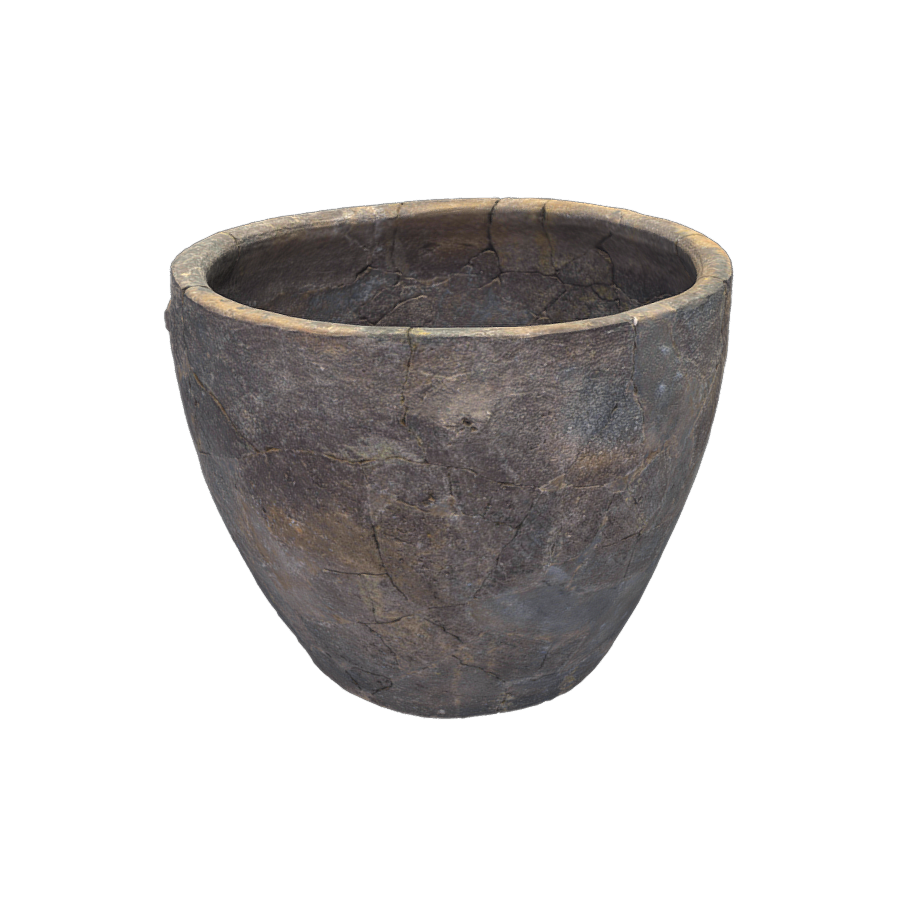
5th - 3rd B.C.E.
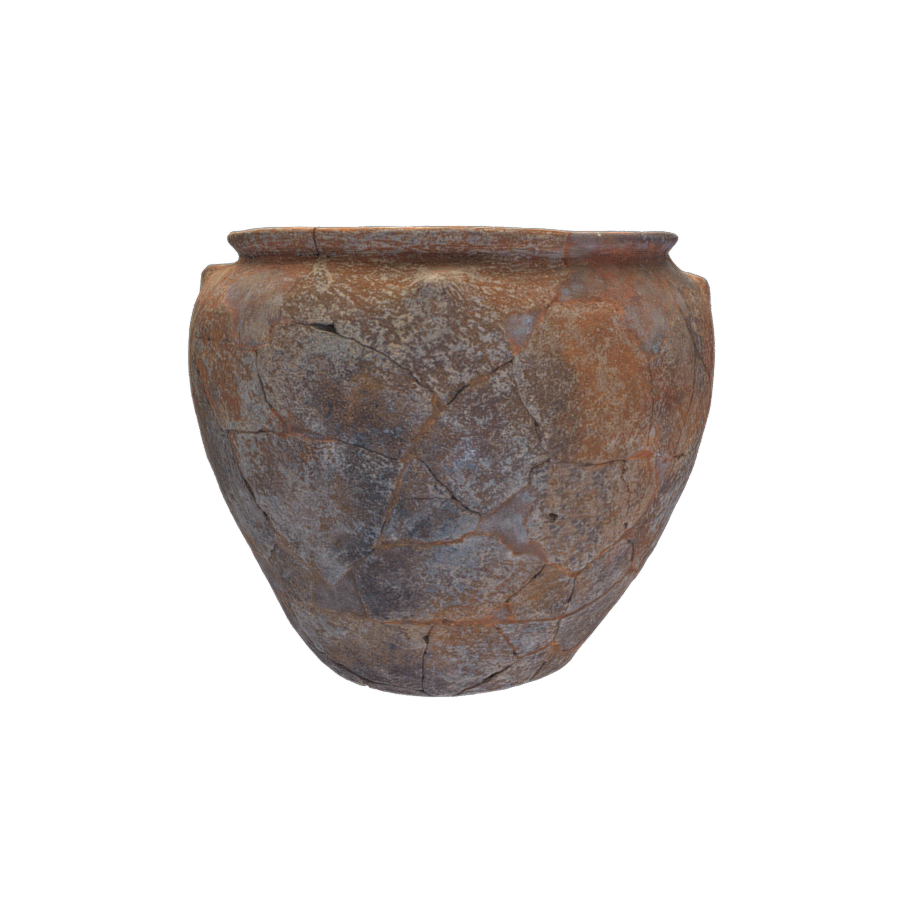
2nd B.C.E. - IV C.E.
10th - 6th B.C.E.
Talayotic Period
01.
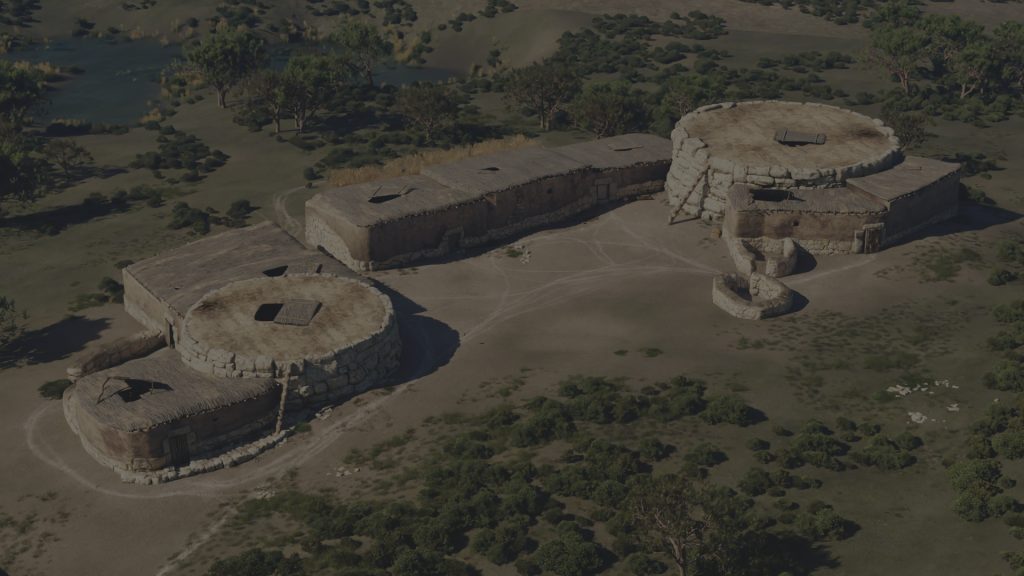
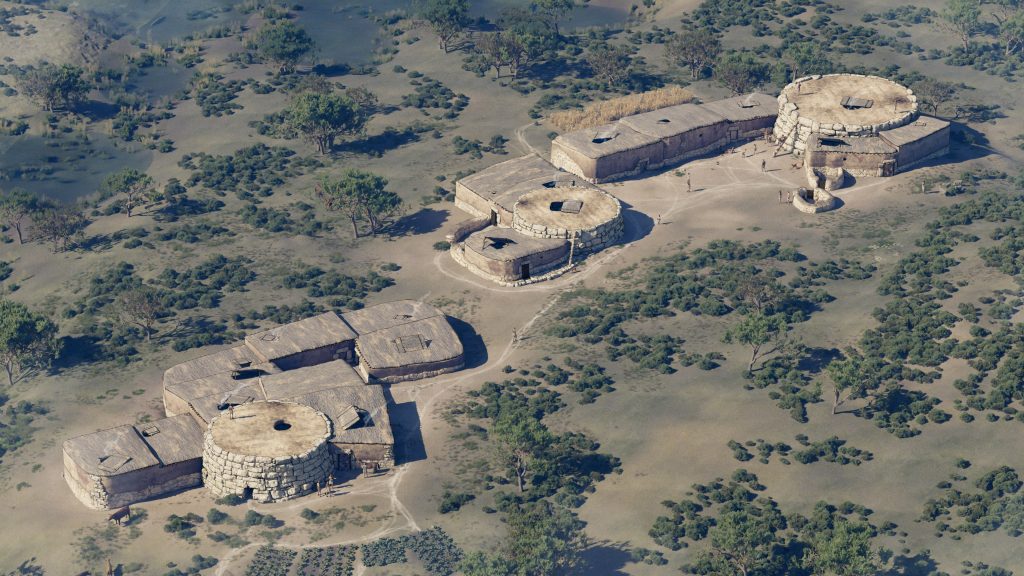
This Talayot is the largest of the three. It was used for cutting and storing meat, which was then distributed among all the members of Son Fornés and occasionally communal banquets were held.
02.
This Talayot is characterized by being smaller in size. Here the adults of Son Fornés would gather, possibly to carry out sacred activities and political deliberations.
03.
The activities that were carried out inside this Talayot are unknown due to the numerous modifications in later times.
04.
In this period, the dwellings were characterized by being built with a large stone plinth, while the upper part of the walls was made with a mixture of compacted soil. The accesses, in general, were framed with large cyclopean blocks.
05.
This society was self-sufficient from the point of view of agriculture and livestock, so appeared the first cultivated areas favored by the environment and by the increasing fertility of the land thanks to cuttle raising.
01.
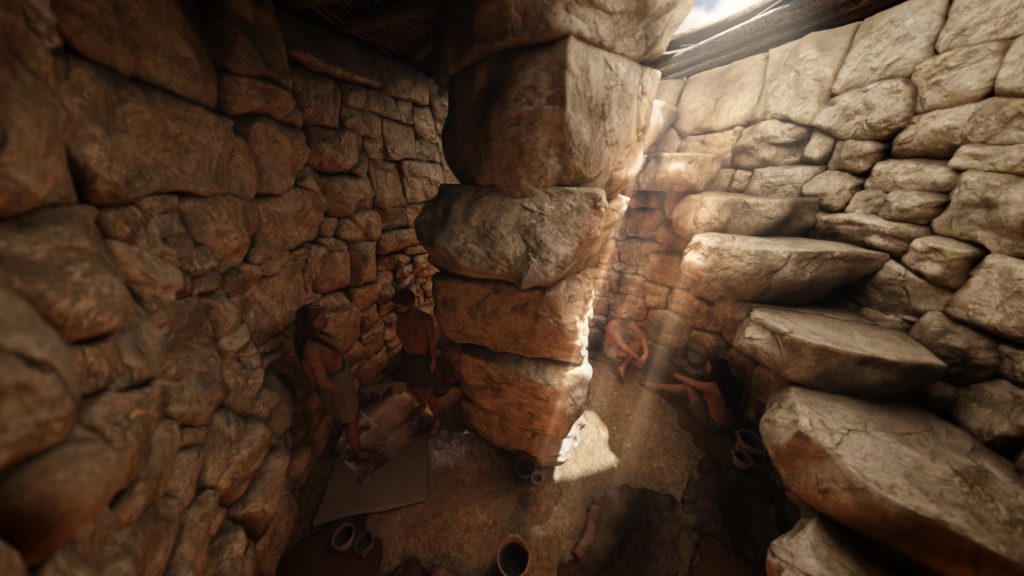
This Talayot is the smallest among the three, and it is the only one for which an entrance through the roof has been officially documented, allowing access to the interior of the structure via a stone staircase constructed from large ashlars.
02.
They used to be meeting spaces, although each one had its own function.
5th - 3rd B.C.E.
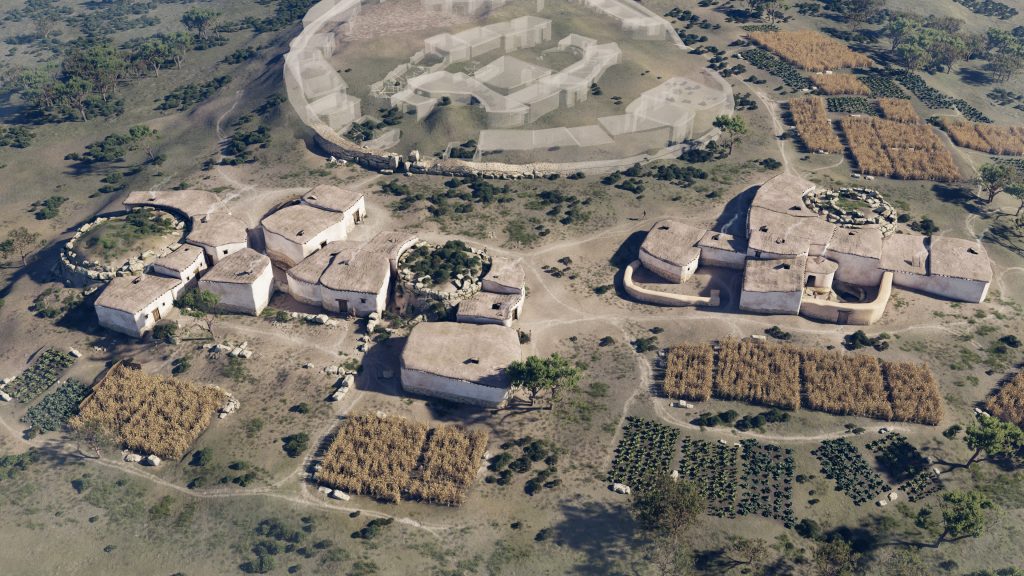
Balearic Period
01.
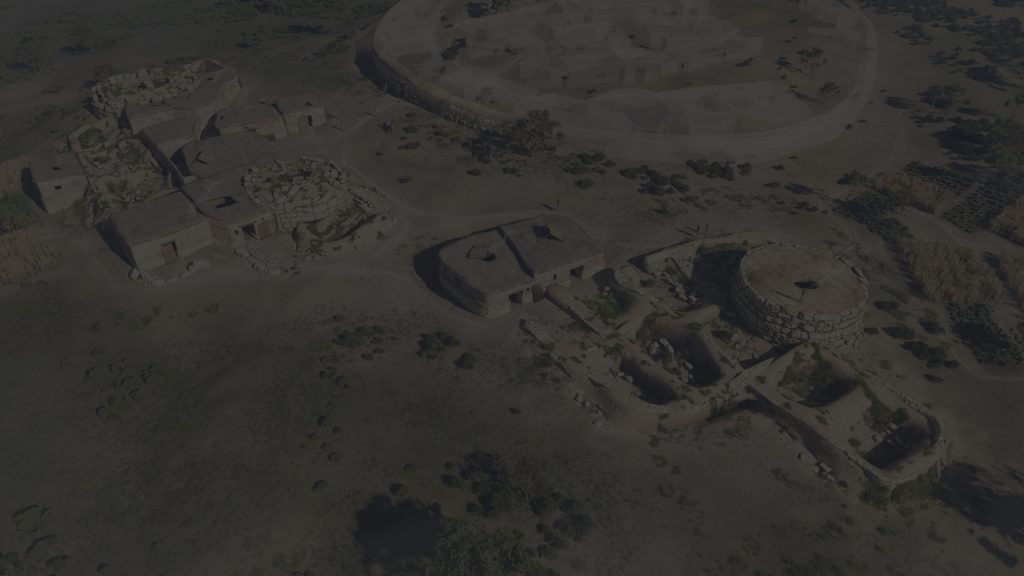
This Talayot underwent several modifications in comparison to the previous period, reflecting a society in transition. It is believed that its purpose might have been sacred, akin to that of the new Shrines.
02.
New sacred spaces emerged that reflected the new reality of this era, where power began to be concentrated in a few individuals who controlled access to the territory’s resources.
03.
In the settlement, many of the houses were remodeled, increasing their size and opening large courtyards, which reflected the social status of those who inhabited them.
04.
The strength of the Talayots faded, and the population sheltered under the security of these new walls, since conflict and might marked this period, where male dominance in war and public ideology was absolute.
2nd B.C.E. - IV C.E.
Classic Period
01.
These sacred spaces remained in use, preserving the traditions of their ancestors and also adapting to the new reality of this changing era due to the unstoppable advance of Rome.
02.
The houses underwent a change in their functionality. Some of the domestic units were designated for different uses, such as the manufacture of fabrics, pottery, forge, storage, etc.
03.
The productivity of tasks and the cultivated area of fields were increased due to the widespread use of specialized metal tools for specific functions such as pruning or mowing. This also allowed the increase in extension of crops and flour production thanks to the rotary mill.
04.
We do not know if the walls at this time continued to offer the same security to the population that their predecessors enjoyed, as this area is awaiting future research.
Discover here the evolution of the site, from its period of splendor during the Talayotic era to the new era of transformations that came with the advance of Rome.
Watch video
Sound Design: Yaiza Varona
Voice-over: Caterina Alorda
Video Editing: Toni Pardo
Each new discovery unveils the secrets of the history of Son Fornés.
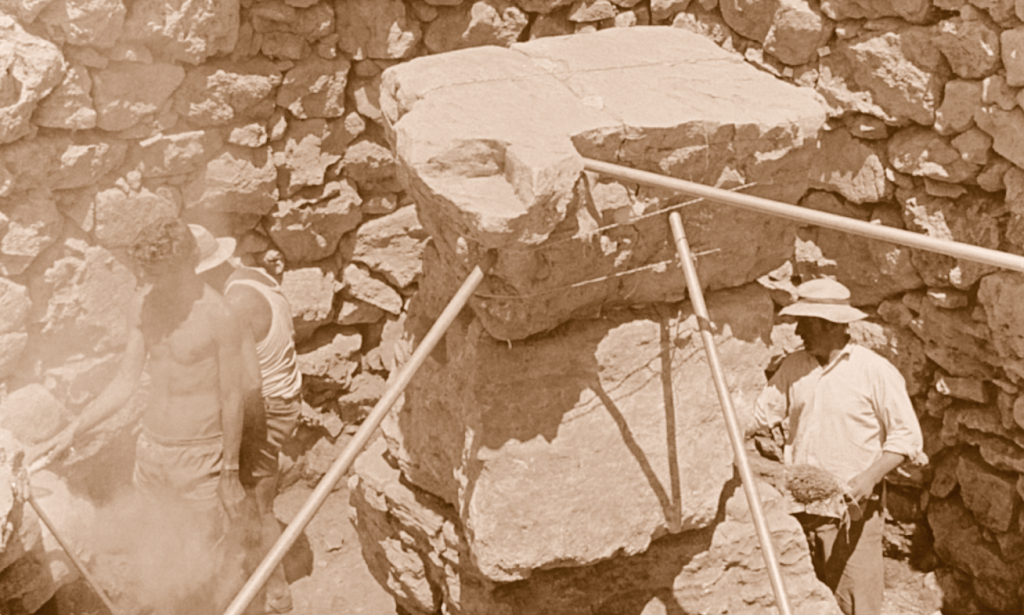
All of this is possible thanks to the research work that, since 1975, has been carried out by the team from the Son Fornés Museum and the Autonomous University of Barcelona, with rigor and commitment. This joint effort ensures that the knowledge of the past continues to illuminate the future.
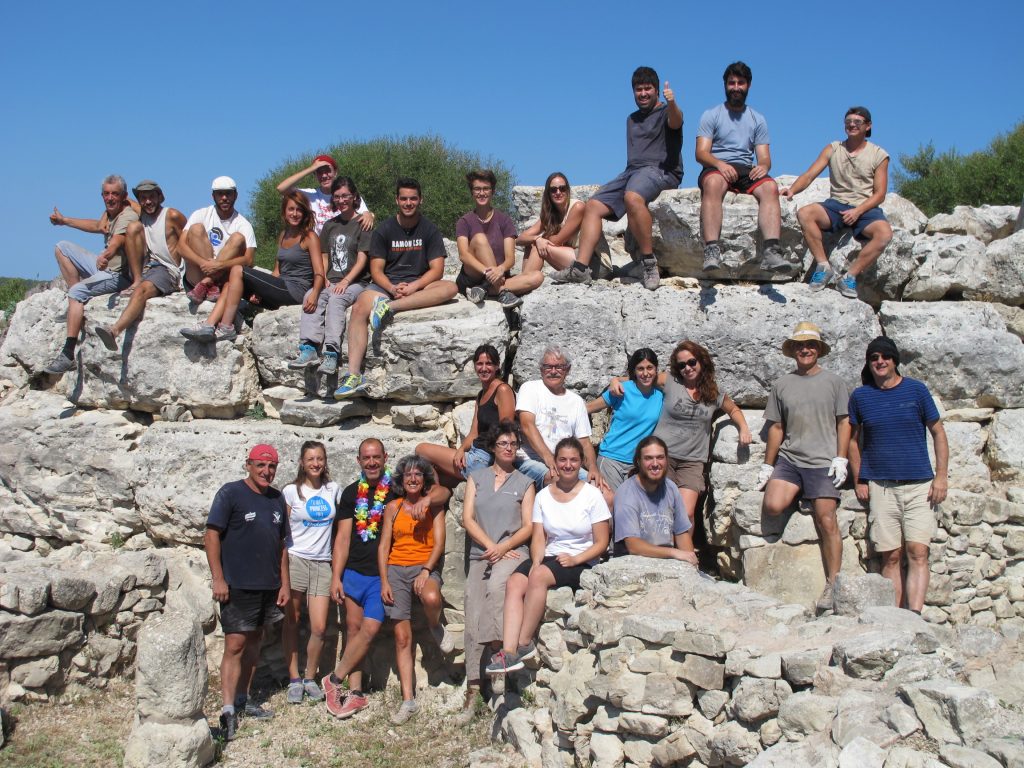
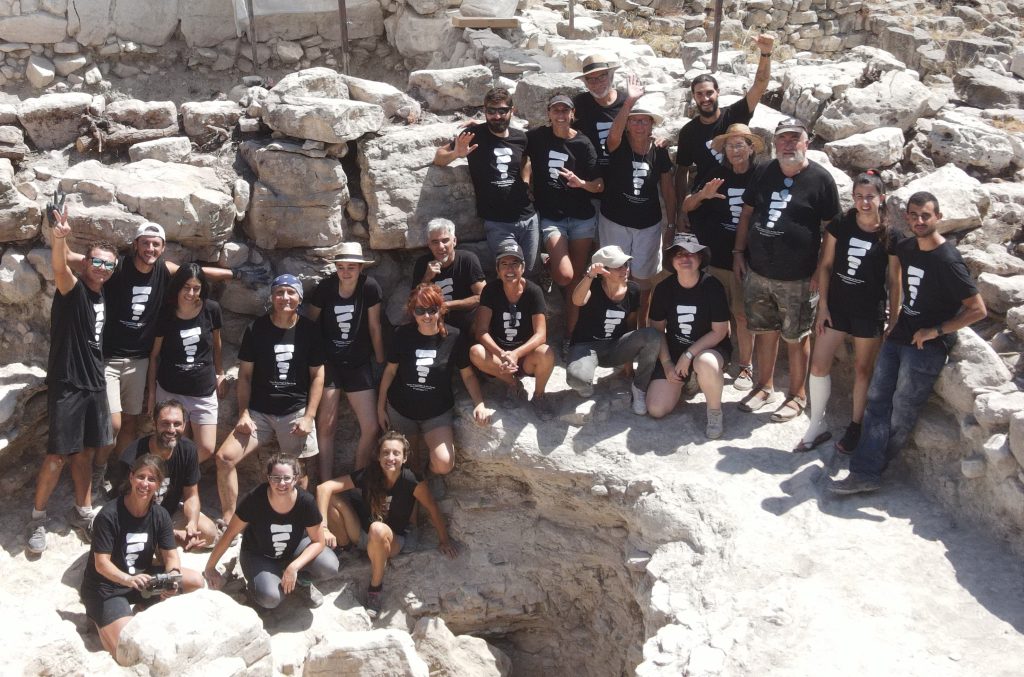
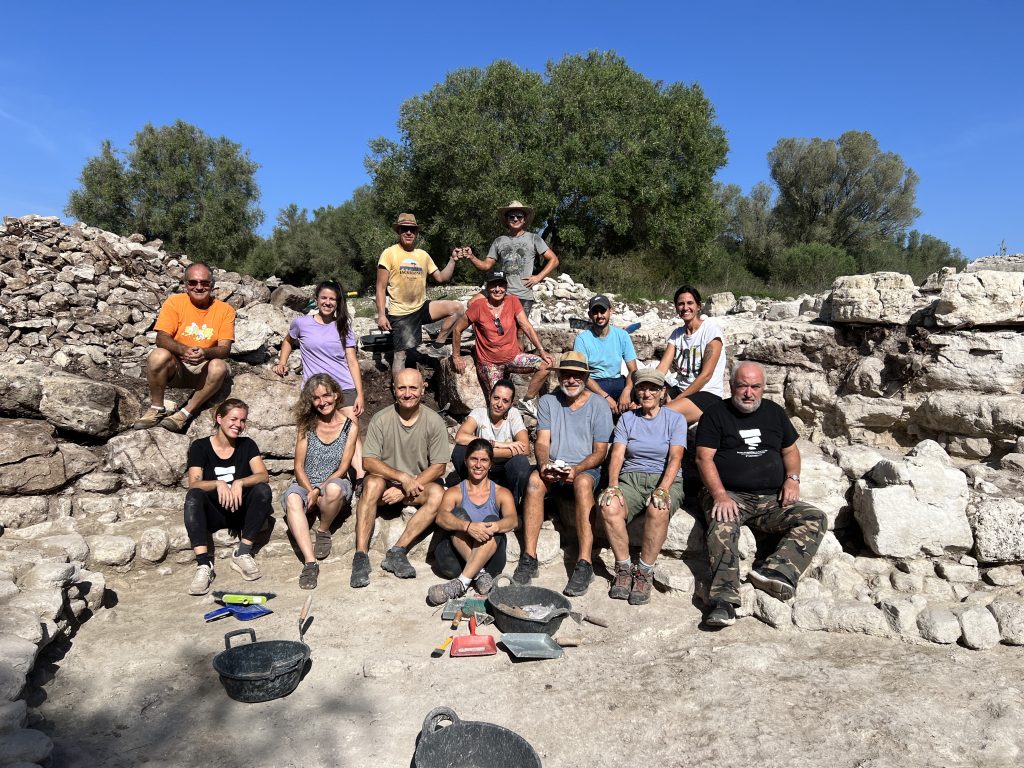
The Son Fornés team works to recover the history of the site.
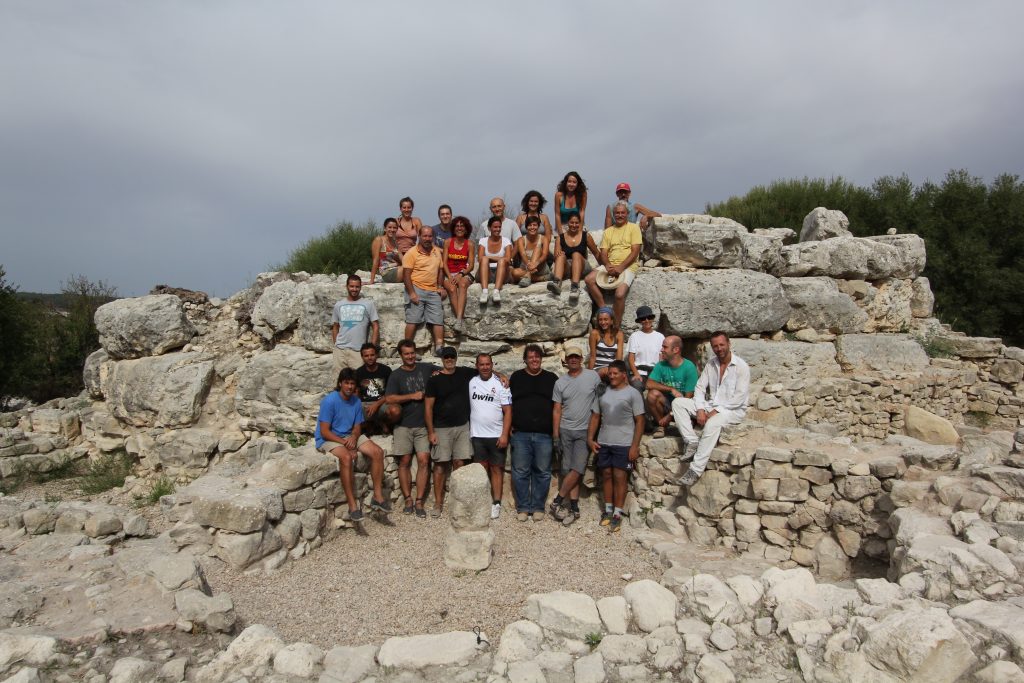
The team at the Son Fornès site, coordinated by the Autonomous University of Barcelona, focuses its activity on the study and conservation of this important archaeological site. Through systematic excavation techniques, they analyze the structures and artifacts found to better understand the societies that lived here. Each discovery contributes to the scientific knowledge about the cultural, economic, and social practices of these ancient communities. Thus, their work provides a valuable contribution to archaeology and the understanding of human history.
2023-2024 Team
Contact
Delighted to hear you
Molí des Fraret,
Carrer Emili Pou s/n,
07230 Montuïri, Mallorca
Illes Balears
971 644 169
info@sonfornes.mallorca.museum
Write us and we will reply shortly
Formulario de contacto EN
"*" indicates required fields
FOLLOW US
Gestionar el consentimiento de las cookies
Para ofrecer las mejores experiencias, utilizamos tecnologías como las cookies para almacenar y/o acceder a la información del dispositivo. El consentimiento de estas tecnologías nos permitirá procesar datos como el comportamiento de navegación o las identificaciones únicas en este sitio. No consentir o retirar el consentimiento, puede afectar negativamente a ciertas características y funciones.
Funcional
Always active
El almacenamiento o acceso técnico es estrictamente necesario para el propósito legítimo de permitir el uso de un servicio específico explícitamente solicitado por el abonado o usuario, o con el único propósito de llevar a cabo la transmisión de una comunicación a través de una red de comunicaciones electrónicas.
Preferencias
El almacenamiento o acceso técnico es necesario para la finalidad legítima de almacenar preferencias no solicitadas por el abonado o usuario.
Estadísticas
El almacenamiento o acceso técnico que es utilizado exclusivamente con fines estadísticos.El almacenamiento o acceso técnico que se utiliza exclusivamente con fines estadísticos anónimos. Sin un requerimiento, el cumplimiento voluntario por parte de tu proveedor de servicios de Internet, o los registros adicionales de un tercero, la información almacenada o recuperada sólo para este propósito no se puede utilizar para identificarte.
Marketing
El almacenamiento o acceso técnico es necesario para crear perfiles de usuario para enviar publicidad, o para rastrear al usuario en una web o en varias web con fines de marketing similares.